

The Forecast You Need Isn’t Just the Odds
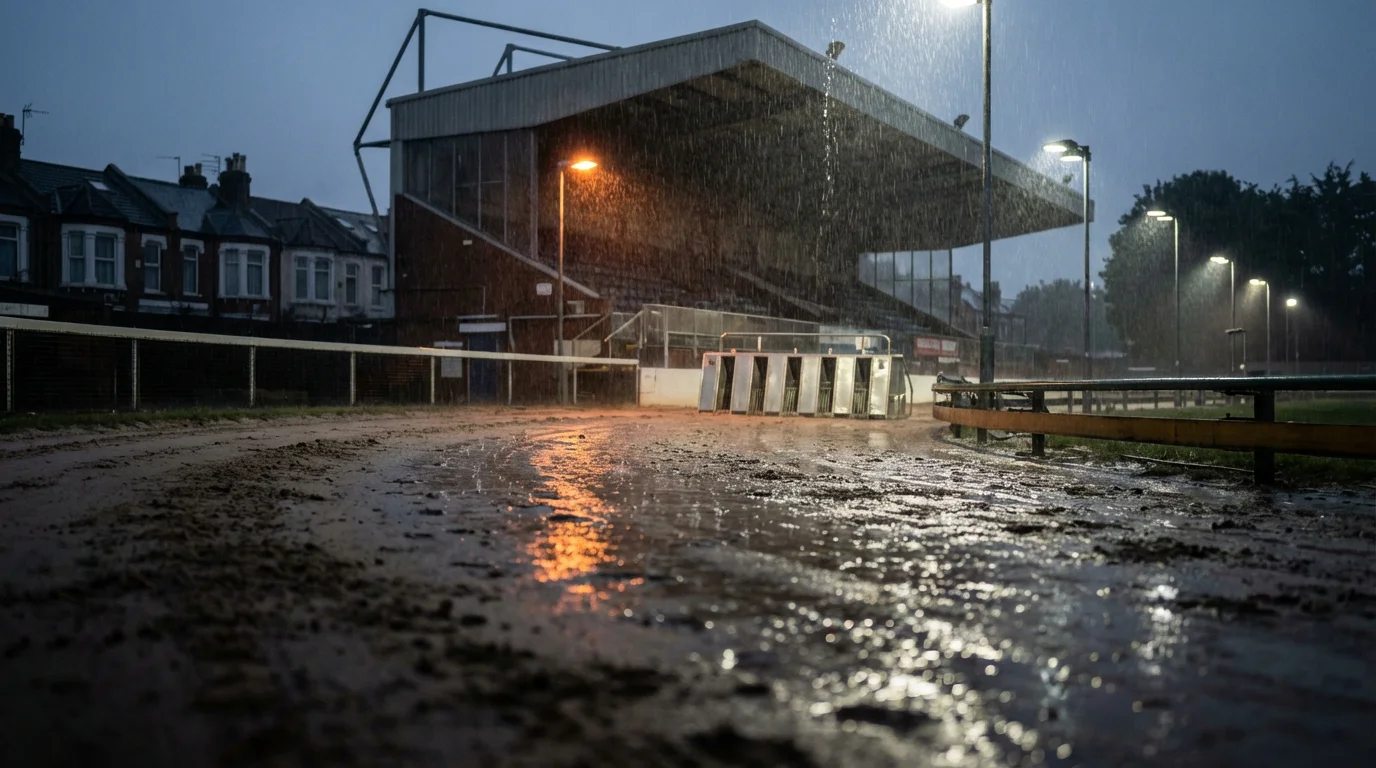
Heavy rain before a meeting can reshape the entire card. Weather is the most underused variable in greyhound betting — a factor that demonstrably affects race outcomes, surface speed, and individual dog performance, yet one that the majority of punters ignore entirely. The odds you see on your bookmaker’s screen were compiled based on form, trap draw, and trainer data. They don’t fully account for the conditions that will exist on the track at the time of the race, because those conditions can change between the morning market and the evening’s first race. Get more race analysis at greyhoundderbyodds.
For punters willing to spend sixty seconds checking the weather forecast for the track’s location, this is a genuine edge. Not a dramatic one, but a consistent informational advantage over everyone who doesn’t bother — which, in greyhound racing, is most of the betting public.
How Rain Affects Sand Track Surfaces
Wet sand is heavier. Dogs that rely on early pace suffer most. When rain falls on a sand track — and every GBGB-licensed track in the UK uses sand — the surface absorbs water and becomes denser. This has a measurable effect on the racing: times across the entire card run slower, the physical demands on the dogs increase, and the performance gap between certain running styles widens.
The dogs most affected by a rain-heavy surface are lightweight, speed-dependent types that produce their best form on fast going. These dogs rely on a quick break from the trap and early pace to establish position at the first bend. On a heavy surface, their acceleration is blunted — the sand absorbs more energy from each stride, reducing their ability to separate from the field in the opening fifty metres. The consequence is that they arrive at the first bend alongside dogs that would normally be behind them, leading to more congestion, more interference, and worse finishing positions than their dry-track form would suggest.
Dogs that benefit from wet conditions tend to be heavier, more powerful types with a grinding running style. These dogs often don’t have the explosive early pace to lead on fast ground, but on a heavy surface, their power advantage becomes more relevant. They lose less speed to the surface change, maintain their effort better through the middle of the race, and often close the gap on early-pace dogs that are working harder than usual to maintain their lead. A dog that typically finishes third on dry ground, beaten by two speedy types, might find itself winning on a heavy night because those two dogs can’t sustain their usual effort on the dead surface.
The magnitude of the effect depends on the intensity of the rain and the track’s drainage. A brief shower an hour before racing might slow the surface marginally. Sustained heavy rain through the afternoon can transform it. If the track staff have time to maintain the surface between meetings — harrowing and levelling the sand — the impact is reduced. If rain continues through the card, the surface may deteriorate further as the evening progresses, with later races run on heavier ground than earlier ones.
Dry Conditions and Fast Tracks
Dry tracks produce faster times — but favour speed over stamina. Extended periods without rain dry out the sand surface, reducing its density and allowing dogs to accelerate more freely. Times across the card drop, and the track rewards different attributes from those favoured on a wet night.
On a fast, dry surface, early pace becomes the dominant factor. Dogs that break sharply from the trap and establish a lead at the first bend are harder to catch, because the surface allows them to maintain their speed with less effort. The energy cost of leading is lower on fast ground, which means front-runners fade less in the closing stages and the advantage of leading is amplified.
For bettors, a dry surface at Towcester during the Derby means giving extra weight to dogs with strong trap-to-first-bend sectionals. The advantage of early pace is always significant at Towcester, but on dry ground it becomes overwhelming. A dog with the fastest sectional in its semi-final, drawn in a favourable trap on a dry night, is a stronger proposition than the same dog in the same position on a wet night — because dry conditions magnify the front-running advantage that Towcester’s layout already provides.
Conversely, closers — dogs that run from mid-pack and make ground in the second half of the race — find dry conditions harder. The dogs ahead of them lose less speed through the bends and finishing straight, giving closers less opportunity to reel them in. A dog with a strong run-home profile but moderate early pace is a better bet on a slow night than a fast one.
Wind, Visibility, and Their Subtle Effects
Headwind on the home straight can cost a length. Most punters never check. Wind is the least discussed weather variable in greyhound racing, but at exposed venues — particularly open-air tracks without significant wind breaks — it has a measurable effect on finishing times and running dynamics.
A strong headwind down the finishing straight slows every dog, but it slows lighter dogs more than heavier ones. The physical resistance of wind scales with the surface area exposed to it and inversely with mass, which means a 28kg dog running into a headwind loses more speed than a 34kg dog in the same conditions. Over the 80-100 metres of a finishing straight, this can translate into a length or more of difference.
Crosswinds affect bending. A dog running a wide line on an exposed bend into a crosswind may drift further wide than it would on a still night, losing ground that isn’t reflected in its normal running pattern. This effect is subtle and difficult to quantify, but experienced trackside bettors account for it, particularly at venues known for exposure.
Temperature has an indirect effect through its influence on the surface. Cold, frosty conditions can harden the sand, producing a faster surface. Warm conditions after rain accelerate drying, which means a track that was heavy at the start of a summer evening might play significantly faster by the later races. Monitoring conditions across the card — watching for time shifts between early and late races — gives in-play bettors information that pre-race odds don’t capture.
Adjusting Your Bets for Weather Conditions
Check the forecast before you check the odds. Conditions change everything. The practical application of weather awareness in greyhound betting follows a straightforward process.
Before a meeting, check the weather forecast for the track’s location. Is it dry? Has it rained? Is rain expected during the card? Is wind significant? This takes less than a minute using any weather app or website. The information is free and immediately applicable.
If conditions are wet or expected to be wet, adjust your assessment of each dog in the race. Downgrade lightweight speed types whose form has been compiled predominantly on dry ground. Upgrade heavier, stronger types with stamina profiles and grinding running styles. Look for dogs whose recent form includes runs on wet surfaces — if they performed well in similar conditions, that form is more relevant than their fast-ground personal bests.
If conditions are dry and the track is fast, lean into early-pace dogs with strong sectionals. On fast ground, the form book’s speed ratings are more reliable because the surface is closer to the conditions under which most form data is compiled. Dogs with fast trap-to-first-bend times become even more valuable, and closers become correspondingly less attractive.
For Derby rounds, track the conditions across the competition. A dog that posted a moderate time in Round 2 on a wet night and a fast time in Round 4 on a dry night hasn’t necessarily improved — the conditions did most of the work. Comparing performances within the same meeting (against the card average) is more accurate than comparing raw times across meetings with different conditions. This principle applies to every round, but it’s most important in the semi-finals and final, where fractions of a second separate the contenders.
Weather Is a Variable — Not an Excuse
The information is free. Using it is the edge. Every bettor has access to the same weather forecasts. The difference is that most don’t look, and those who do often don’t translate what they see into actionable adjustments. Weather doesn’t guarantee winners, but it refines your assessment in a way that the betting market doesn’t consistently price. Also read our greyhound racing sectional times.
When you see rain forecast for a Derby semi-final night, you know something about the conditions that the morning odds may not fully reflect. When you see a dry spell heading into the final, you know the surface will favour certain types over others. That knowledge, applied consistently across every meeting you bet on, adds a layer of accuracy to your form analysis that compounds across dozens and hundreds of bets. The punters who track conditions finish the year a few percentage points ahead of those who don’t — and in greyhound betting, a few percentage points is the gap between profit and loss.
